Up to €2.5 billion is being invested in Cork. Here’s where the money is going
It’s going to be a busy five years.
Up to €2.5 billion will be invested in Cork before 2028 as the city enters a period of “unprecedented transformation” with significant investment in housing, sustainable transport, parks, public spaces, and climate resilience.
This forms part of a wider €10 billion investment pipeline, excluding health and education, over the coming decade.
Cork City is projected to be the fastest-growing city in the country, increasing its population by 110,000 to 353,500 by 2040, and Cork City Council and its public sector partners are working to ensure the delivery of:
- €1.9 billion on housing
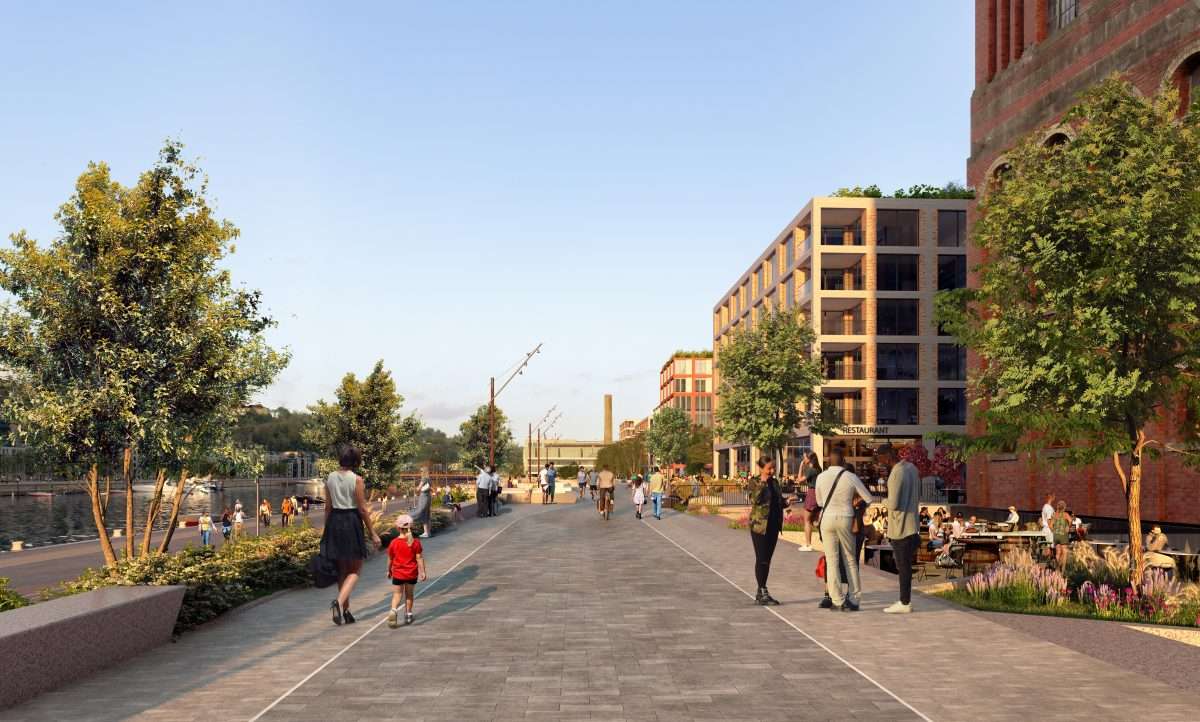
- €120 million on walking and cycling facilities including the Marina Promenade upgrade
- €200 million on rail and light rail planning and design
- €190 million on Cork Docklands
- €40 million on flood prevention
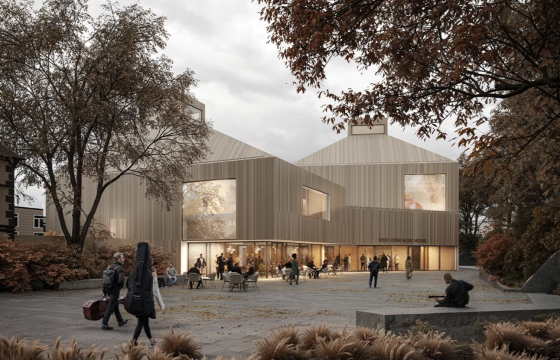
- €35 million on a new city library
- €25 million of public realm improvements – Grand Parade Quarter and Bishop Lucey Park
- €14 million on Marina Park Phase 2
Last year, Cork City Council delivered the Mac Curtain Street Public Transport Improvement Scheme and a suite of major public realm, active travel and public amenity projects are now underway including the redevelopment of Bishop Lucey Park and the wider Grand Parade Quarter, Marina Promenade, Mahon Cycle Scheme, Marina Park Phase 2.
‘Huge opportunities to become a city of scale’
Work is due to start on Morrison’s Island Public Realm and Flood Defence Scheme and development works in the Cork Docklands are ongoing with a draft Framework Masterplan to be published in the coming months.
“Our expanding city presents huge opportunities: to become a city of scale with top class public transport and a vibrant city centre, a greener city with safe, new and attractive amenities and a much improved public realm and a healthier city that is easier to get around on foot or by bike,” said Chief Executive of Cork City Council Ann Doherty.
“Cork City Council cannot deliver a more sustainable and liveable city on its own. It can support the creation of conditions for a more sustainable way of living but it needs support from residents, communities and business and an acknowledgement that the transition, while challenging at times, will ultimately deliver for the city and its people.”