There’s a crater on the Moon named after a trailblazing Cork woman
You might not recognise the name Agnes Mary Clerke.
Gaze into the sky on a clear night however and you could catch a glimpse of a little piece of the Moon named in her honour.
The Cork astrologer, who played a vital role in bringing astronomy to the public in Victorian England, is memorialised forever by the Clerke Crater, located near the eastern edge of the Sea of Serenity, one of the Moon’s vast lava plains.
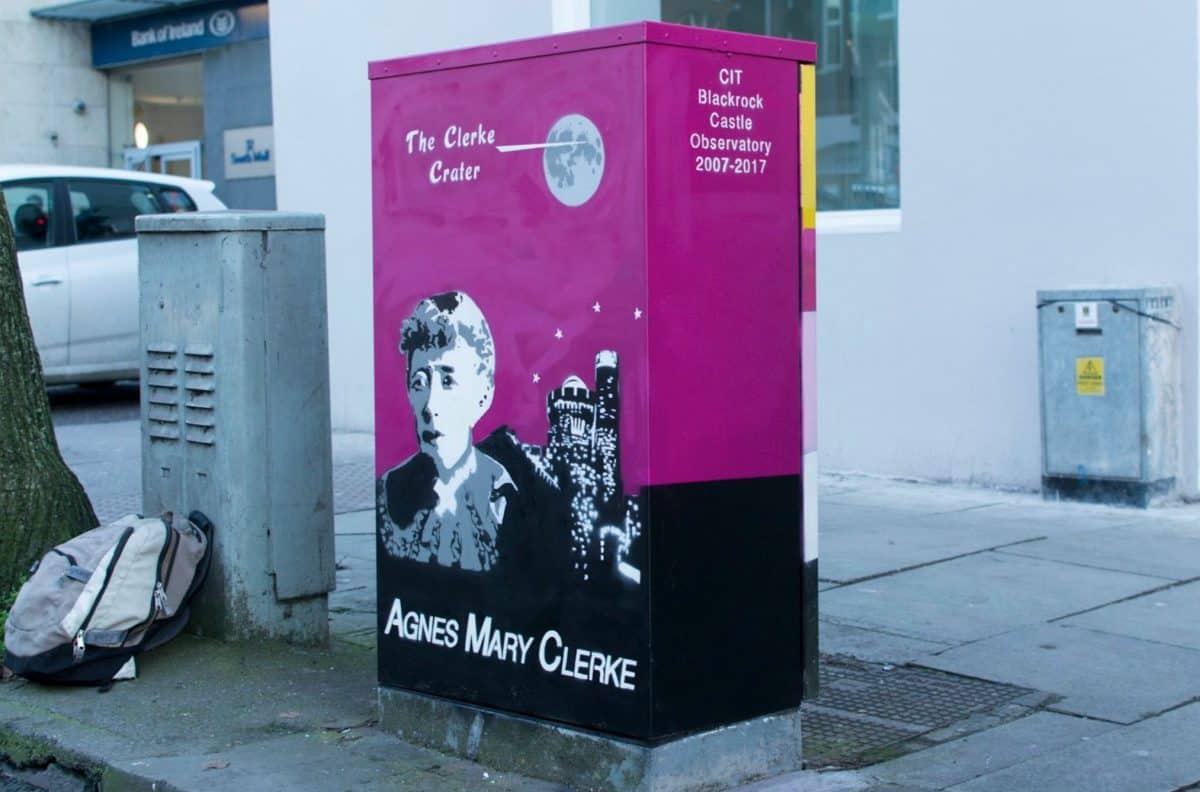
In Cork you’ll find a painted tribute to her, sponsored by Blackrock Castle Observatory and created by Mad About Cork artist Alan Hurley, on the South Mall.
From Skibb to the stars
Born in Skibbereen in 1842, Agnes home schooled alongside her older sister and younger brother.
Her father, a bank manager in Skibbereen, had taken courses in astronomy and Agnes began to follow in his footsteps from an early age, using his four inch telescope to observe the night sky.
In fact, by the age of 15, she had already begun to write a history of astronomy.
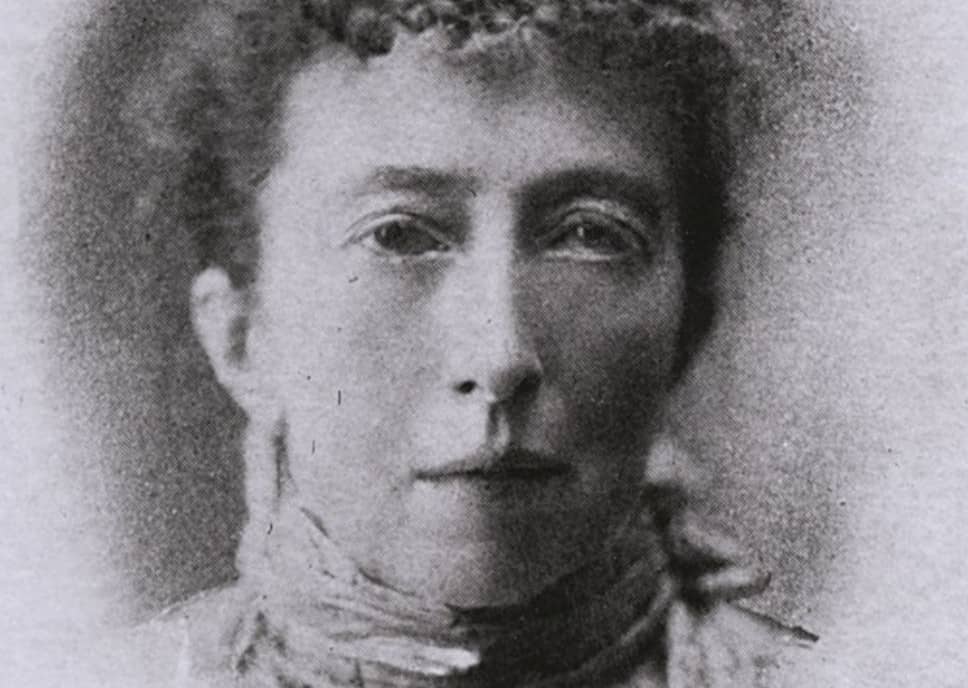
After brief spells in Dublin and Cobh, Agnes and her sister Ellen, a journalist who also had a keen interest in the solar system, were sent to study in Florence.
During their time in Italy, Agnes completed two articles, Brigandage in Sicily and Copernicus in Italy. By the time they settled in London in 1877, both articles had been picked up by the Edinburgh Review and Agnes was finding work writing for the Encyclopædia Britannica.
Her best known work, A Popular History of Astronomy during the Nineteenth Century, was published in 1885 and quickly became a sell-out success.
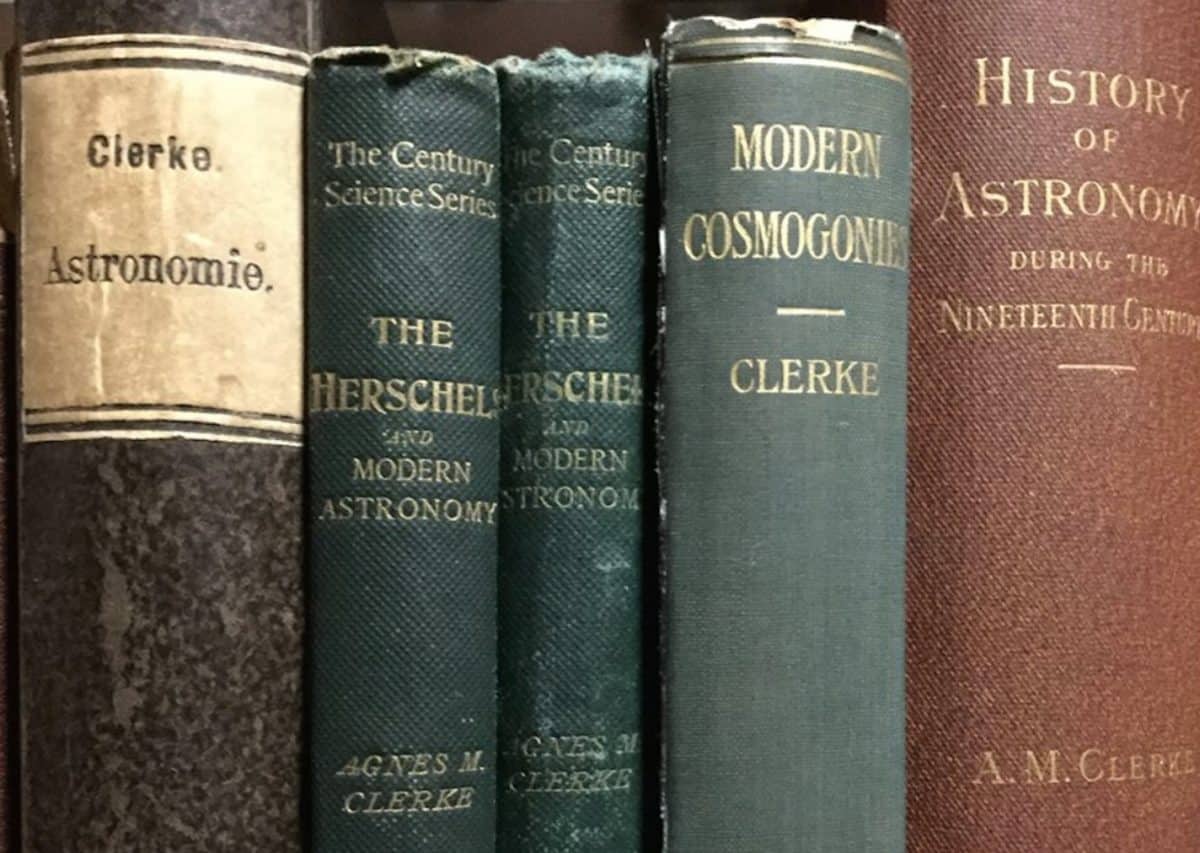
A few years later she accepted the Actonian Prize for writing from the Royal Institution and regularly attended meetings of both the British Astronomical Association and the Royal Astronomical Society.
In 1903, Agnes Mary Clerke was elected an honorary member of the Royal Astronomical Society, a rank previously held only by three other women.
She died suddenly in London in 1907 at the age of 64 and she is buried in London’s Brompton Cemetery, one of Britain’s oldest and most distinguished garden cemeteries.