Coronavirus: The Irish Cancer Society has issued advice for cancer patients
The risk of catching coronavirus is still low, according to the HSE.
As the COVID-19 virus continues to spread globally, however, and with a case now confirmed in the Republic of Ireland, the Irish Cancer Society has issued some health advice aimed specifically at patients who are currently undergoing cancer treatment.
As with any infection, the COVID-19 virus is more likely to progress at a greater speed in somebody who is fighting cancer.
The Irish Cancer Society is reminding the public that if a patient develops signs of infection, for example, high temperature, coughing or shortness of breath, they should make contact with their oncology unit through the liaison phone number they have been given.
‘Be mindful of the risks’
Around 45,000 people are diagnosed with cancer in Ireland every year and there are more than 170,000 people living with cancer today in Ireland.
“The Irish Cancer Society is recommending that patients who are currently undergoing or have recently received treatment for cancer, as well as their friends and family members, should be particularly mindful of the risks and consequences associated with COVID-19 should cases be reported in Ireland.” the organisation said.
Irish Cancer Society advice for cancer patients on COVID-19 (coronavirus): https://t.co/TlzbVTHpij. Our Nurseline is there for anyone with concerns or questions on this issue or any aspect of cancer: 1800 200 700 or send us a DM #COVID19ireland #CoronaOutbreak
— Irish Cancer Society (@IrishCancerSoc) March 2, 2020
“There are a number of steps that can be taken to reduce the chances of infection occurring, both from COVID-19 and from other airborne infections such as colds and flu which can also be much more serious for those affected by cancer treatment.”
These include:
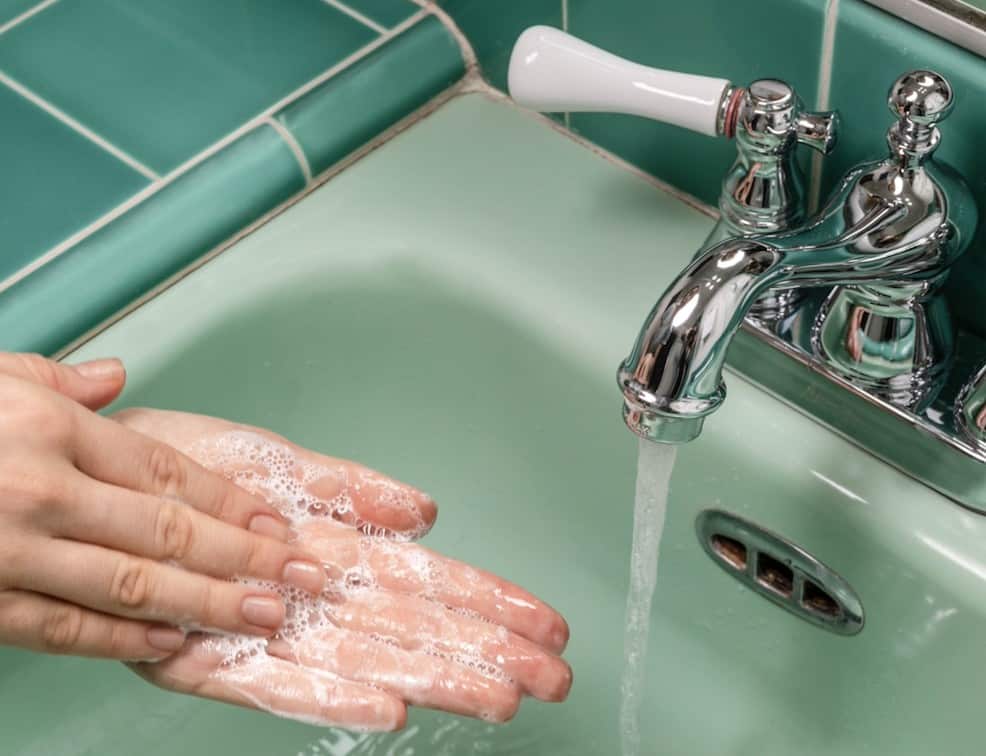
- Regular and thorough use of handwashing and alcohol-based handwashes when in contact with other people, before eating or touching the face, or before entering the home.
- Being more careful about close contact with others outside of partners and immediate family members, such as by avoiding shaking hands.
- Being more cautious around public events or larger gatherings which might bring the patient into contact with people who may be at higher risk of carrying the infection.
- Ensuring that visitors are aware that those affected by cancer are particularly susceptible to infection, and kindly requesting them not to visit if they are displaying any symptoms of illness, such as elevated temperature, coughing, sneezing, headache, etc.
- Limiting contact with people who have travelled to Ireland in the past 14 days from areas where the virus is thought to be in circulation (for example, northern Italy).
The Irish Cancer Society continues to be available to provide support and information on this matter or any other queries related to cancer through its Freephone Nurseline on 1800 200 700.