‘Sharp, upward’ Covid-19 surge continues with 4,962 new cases and seven deaths

The spread of Covid-19 is “out of control”.
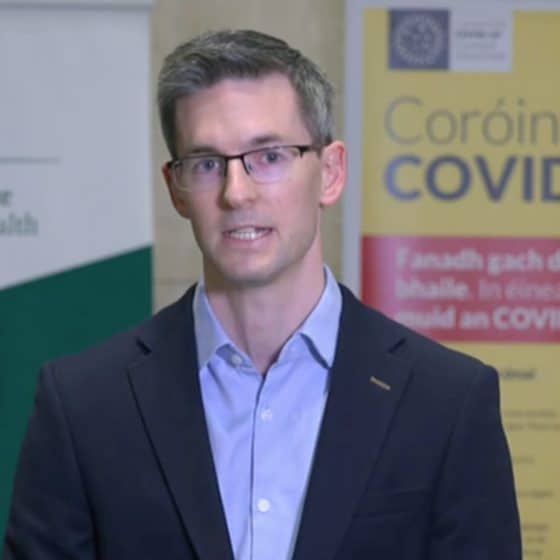
That’s according to the Health Service Executive’s Chief Clinical Officer Dr Colm Henry, who said that Ireland is looking at 1,300 daily hospital admissions by the end of January.
A further 4,962 new cases of Covid-19 have been reported tonight, with seven further deaths from the disease.
Of the new cases, 1,260 cases are in Dublin, with 652 in Limerick, 350 in Cork, 321 in Louth, 238 in Meath and 2,141 spread across all remaining counties.
“We are seeing a really significant surge in infection, which is leading to a very rapid increase in both hospitalisations and admissions to critical care units,” said Cheif Medical Officer Dr Tony Holohan.
“This is not only unsustainable for the healthcare system, but also a deeply concerning level of preventable sickness and suffering that we must work together to address as quickly as possible.”
“The number of people in hospital with COVID-19 has more than doubled from this day last week, and so has the number of people in ICU. Remember that behind each hospital statistic and ICU figure is a real person like you, with a family who cares about them, and a team of healthcare workers dedicated to protecting their lives. We must be as dedicated as we all were in the spring in our commitment to following the public health advice.”
2km travel limit may be considered
Speaking to RTÉ’s This Week earlier today, Dr Henry said the third wave of coronavirus has caused a “sharp, upward surge” of new infections that will take “a long time to turn around” meaning that Level 5 restrictions will likely be extended into February.
Transport Minister Eamon Ryan has also suggested that the 5km travel limit may be reduced to 2km if the current restrictions aren’t having the desired effect by the end of January.
“That’s for a week or two’s time if we find that the numbers aren’t starting to flatten off and then decrease,” he told Newstalk’s On the Record with Gavan Reilly.
‘The rate of growth is a major concern’
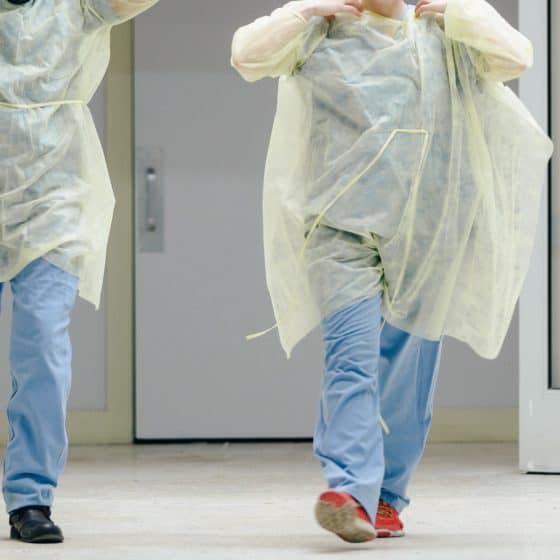
Chair of the NPHET Professor Philip Nolan said struggling hospitals have seen further increases in patient numbers, with 673 people now hospitalised with Covid-19 and 62 people in ICU.
“The rate of growth is a major concern and there will be further increases before we turn this around. A clear signal to all of us of the need to protect ourselves and each other by staying home.” Professor Nolan tweeted.
An Taoiseach Michéal Martin and Health Minister Stephen Donnelly also took to social media to plead with the public to adhere to the Level 5 guidelines on handwashing, social distancing and avoiding household visits.
With Covid case numbers rising rapidly, it’s more important than ever that each and every one of us does what is being asked of us.
Stay home and strictly limit social contacts.
We must do everything we can to protect the most vulnerable and those on the frontline.
— Micheál Martin (@MichealMartinTD) January 3, 2021
“Our Covid case numbers are extremely high and hospital admissions are rising fast. Everyone must act as if they are infectious.” tweeted Minister Donnelly.
“Stay home. Stay safe. Everything we do as individuals to stop this virus spreading makes a huge difference.”
Older people urged to stay indoors
Dr Tony Holohan has urged older and vulnerable people not to leave their homes unless it is absolutely essential.
“This includes asking neighbours or family to carry out errands such as grocery shopping, limiting all contacts to only those people you live with or have to visit for essential care reasons,” he said.
Community Call helplines can arrange to have shopping, fuel or medication delivered and can provide other practical supports to anyone who may need it. The numbers are:
- Cork City: Call 1800 222 226 or email covidsupport@corkcity.ie
- Cork County: Call 1800 805 819 or email covidsupport@corkcoco.ie
“We need to rediscover the spirit of solidarity and community we saw in March and April so that we can all do our part in protecting older and vulnerable people,” said Dr Holohan.
“People particularly vulnerable to COVID-19 include older persons and people with pre-existing medical conditions including cardiovascular disease, obesity, diabetes, chronic respiratory disease and cancer.”